The Lost Joystick


They stole your joystick… but they don’t know who you are!
You will do everything to get it back
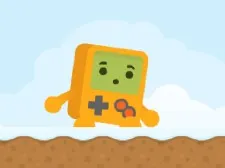
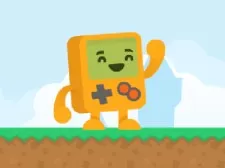
In this psychedelic pixel-artish platformer, you have to jump around the levels looking for coins and keys, killing monsters and avoiding traps . Simple as that.
Categories and tags of the game : 2d, Action, Addictive, Adventure, Levels, Pixelart
The Lost Joystick - How to Play
GAME CONTROLS: Keyboard: Use Arrow keys: to jump move left and right or go down from a platform or use ASD to move and spacebar to jump ESC: Pause the game Click on the music note: Music on/off Click on the speaker: SFX on/off Gamepad: Left Analog / D-pad : to move left and right or go down A button: jump Right Shoulder Button: Music on/off Left Shoulder Button: SFX on/offThe Lost Joystick: A Forgotten Gaming Classic
Imagine a world where gaming icons like Mario and Pac-Man were still a distant memory, and the most anticipated release of the year was a new arcade game that promised to push the boundaries of what was possible on a tiny screen. Welcome to the world of “The Lost Joystick,” a game so ahead of its time that it has become a mythical relic of the gaming industry’s past. Developed by a small, unknown team in the late 1980s, “The Lost Joystick” was meant to be a revolutionary title that would change the face of gaming forever.
Gameplay Mechanics and Features
“The Lost Joystick” boasted an innovative control system that utilized a unique combination of button mashing and analog stick manipulation to create a sense of immersion and realism. The game’s protagonist, a brave adventurer named “Zorch,” was able to explore vast landscapes, fight fearsome enemies, and solve complex puzzles, all while navigating the game’s intuitive interface. The title also featured a procedurally generated world, ensuring that no two playthroughs were ever the same.
Graphics, Sound, and Presentation
“The Lost Joystick” was a visual and audio marvel in its time, with vibrant, hand-drawn graphics and a haunting soundtrack that perfectly complemented the game’s atmosphere. The title’s use of isometric perspective and detailed backdrops created a sense of depth and scale that was unmatched by other games of the era. The sound design was equally impressive, with realistic sound effects and a memorable theme song that still echoes in the minds of gamers who experienced the game.
Player Reception and Community Aspects
Despite its innovative gameplay and impressive presentation, “The Lost Joystick” struggled to find an audience in the late 1980s and early 1990s. The game’s complex controls and steep learning curve made it difficult for players to access its full potential, and the title’s short development cycle meant that it lacked the polish and refinement of other games of the era. However, the game has since developed a cult following among gamers who appreciate its unique design and challenge.
Conclusion
“The Lost Joystick” may have been a commercial failure in its time, but its innovative gameplay and presentation have made it a cherished relic of the gaming industry’s past. This forgotten classic continues to inspire developers and gamers alike, offering a glimpse into a world where the boundaries of what was possible in gaming were being pushed to new and exciting heights.

The Lost Joystick - Related Games